Repeatability beats intensity
A brutal plan can look impressive on day one and still fail by week three. We score the week you can repeat, not the workout that leaves you wrecked.
Review method
First workouts lie. People are excited, rested, and willing to tolerate chaos. The better question is what happens after the novelty fades: can you set up quickly, move well, recover, and come back tomorrow?
Home Workout Report uses trainer-style editorial judgment, not medical diagnosis. If pain, pregnancy, postpartum recovery, injury, medication, or a medical condition affects your training choices, use a qualified professional who can see you move.
A brutal plan can look impressive on day one and still fail by week three. We score the week you can repeat, not the workout that leaves you wrecked.
If a plan keeps asking for harder work after technique is gone, that is a strike against it. Load, tempo, range, and rest need room to scale.
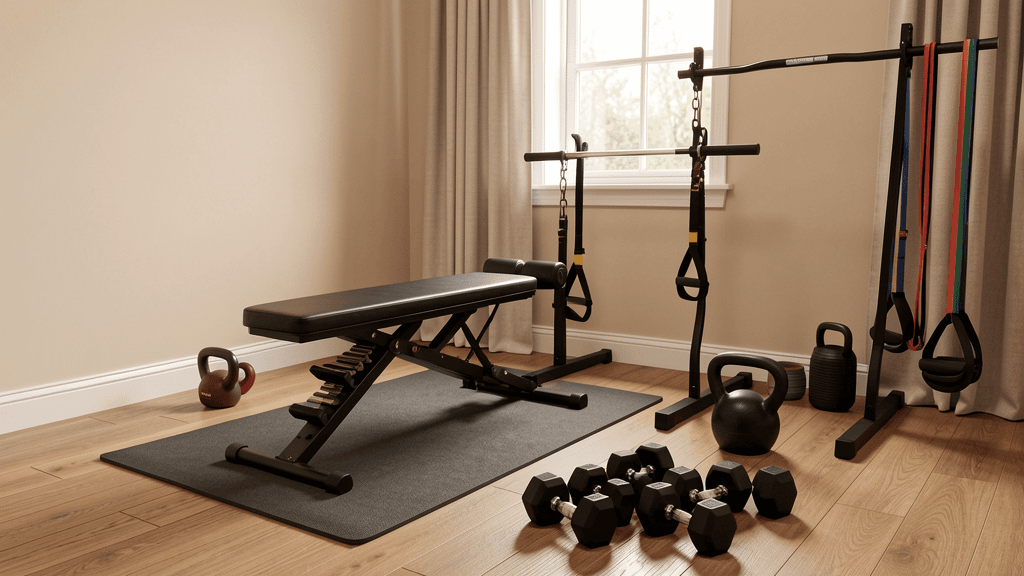
Home gear has a real cost: money, storage, setup time, and friction. A bench or dumbbell set can be worth it, but only when the plan will use it often enough.
We look for lower-impact days, mobility work, sane volume, and enough flexibility for people who train around jobs, kids, soreness, and normal life.
Scoring rubric
Can a normal week absorb the sessions?
Does the plan work with what you own or one sensible upgrade?
Does the plan show how training gets harder over time?
Are there low-impact options and modification paths?
Would a home exerciser know what to do when form or fatigue breaks down?
Is the paid option clearly better than a free replacement path for this person?
Editorial rule
That means no fake certainty, no transformation promises, no pretending a subscription fixes consistency, and no ranking a program highly just because it has a strong brand. The useful answer is usually more specific: this plan fits this person, with these constraints, if they scale these parts.