Home WorkoutReportCompare low impact

No-equipment finder

Choose a bodyweight plan that is more than random sweat.

No equipment can be a smart constraint, but it is not a complete plan. Use this filter to check space, impact, progression, coaching, and recovery before committing to a bodyweight calendar.

Fitness content is general information only and is not medical advice. Stop if a movement causes pain. For pain, injury, pregnancy, postpartum recovery, medical conditions, or medication-related concerns, get guidance from a qualified professional before starting.

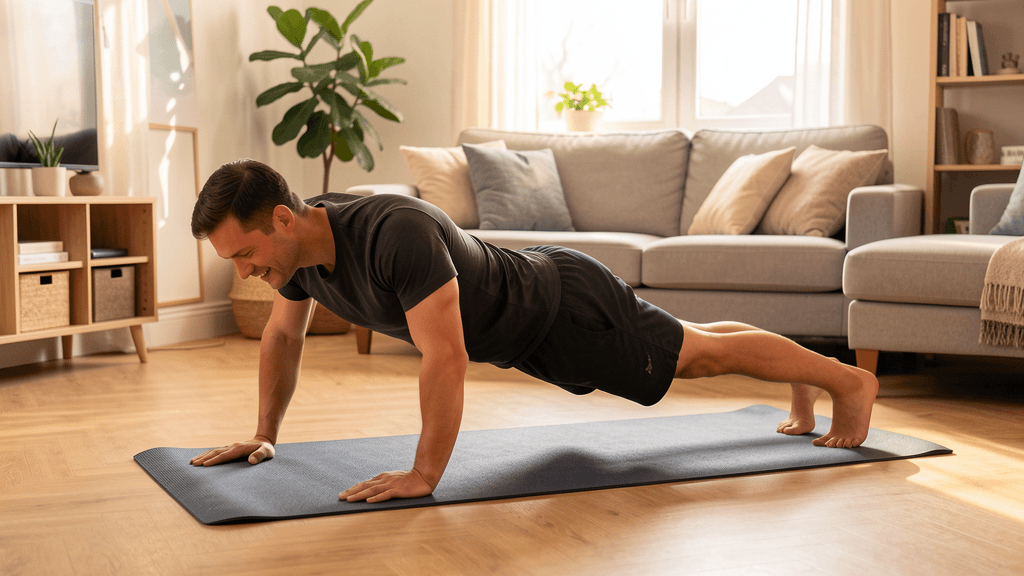
Branded decision map for choosing a no-equipment home workout plan by space, impact, progression, and recovery
Bodyweight lens

The right no-equipment plan shows how the week progresses without needing hidden gear.

Decision filter

Real floor space

Can the plan work in a mat-sized area without lateral travel or furniture moves?

Prefer: Look for push, pull-substitute, squat, hinge, core, mobility, and cardio options that fit the room you actually use.

Be careful with: Avoid plans that say no equipment but quietly depend on a pull-up bar, bench, step, sliders, or a large open floor unless you have them.

Decision filter

Progression without gear

How does the program get harder after week one?

Prefer: Prefer progressions through reps, sets, tempo, range of motion you can control, unilateral work, shorter rest, or harder variations.

Be careful with: Random daily sweat sessions can feel productive while hiding the lack of a repeatable progression path.

Decision filter

Impact and noise

Do you need quiet, low-impact, or downstairs-neighbor-friendly sessions?

Prefer: Use step-back options, controlled mountain climbers, marching, holds, slow eccentrics, and strength circuits instead of jumps.

Be careful with: No equipment does not automatically mean low impact. Burpees, jump squats, and fast plank transitions can still be loud and demanding.

Decision filter

Coaching and form cues

Will the plan teach substitutions before fatigue changes your movement?

Prefer: Choose programs with clear demos, beginner ramps, visible rest days, and permission to pause or substitute.

Be careful with: Avoid calendars that rely on speed, shame, or exhaustion as the only signal that the workout is working.

Best-fit lanes

Where a no-equipment finder can route users next

Apartment beginner

Mat-sized sessions, no jumping, simple circuits, and a first week that proves consistency before intensity.

Bodyweight strength

Push-ups, split squats, hinges, core work, tempo, and unilateral progressions without pretending load does not matter.

Travel workout

Repeatable hotel-room sessions with low setup friction and no fragile equipment assumptions.

YouTube playlist builder

Free videos can work when organized by movement pattern, difficulty, rest, and weekly progression rather than mood.

Equipment upgrade path

A good no-equipment plan should reveal when dumbbells, bands, or a pull-up option would actually improve the routine.

Integrity notes

  • This page uses constraint-based guidance, not rankings. No specific no-equipment program is recommended until its source record has an official URL, observation date, and fit caveats.
  • General physical-activity guidance from reputable public health sources supports the value of regular strength and aerobic activity, but it does not replace individualized medical advice.
  • No-equipment intent is useful for SEO and user fit, but it can be misleading. Some programs marketed as bodyweight still rely on large floor space, jumping, or optional gear.
  • Image generation was unavailable in this environment, so this run added a local branded SVG visual instead of a generated realistic photograph.